
London property listings compete for attention in a crowded market. A few strong photographs can start the conversation, but many buyers, tenants and relocation clients now want more context before they spend time travelling across the city for a viewing.
That is where a 3D virtual house tour can be useful. It allows a user to move through a property online, understand the layout, check room flow and decide whether the space feels suitable. For agents, landlords and property managers, this can improve the quality of enquiries and reduce some avoidable viewing friction.
A virtual tour should not be treated as a magic solution. It will not replace good pricing, accurate descriptions, compliance checks or professional communication. It also will not make every property easier to let or sell automatically. The real value comes when it is used with professional photography, floor plans, accurate listing information and a clear booking process.
Property Motion supports this type of coordinated property preparation. The platform helps property professionals arrange services such as 3D virtual tours, professional property photography, technical floor plans and compliance support through one workflow.
What Is a 3D Virtual House Tour?
A 3D virtual house tour is an interactive digital walkthrough of a property. Instead of looking only at still images, the viewer can move from room to room, rotate the view and understand how the space connects.
For a London flat, this might help a renter understand whether the living room connects directly to the kitchen, whether a bedroom is positioned away from the street, or whether a hallway creates enough separation between rooms. For a house, it can help a buyer understand the flow between the entrance, reception rooms, garden access and upper floors.
The most useful virtual tours are not just decorative. They give people a better sense of space, layout and movement. That is especially important when the user is comparing several properties online and has limited time to attend viewings.
How a virtual tour differs from normal photography
Professional photographs show the strongest angles of each room. They are still essential because listing portals, brochures and social media need polished visual assets. A virtual tour does something different. It gives the viewer control.
A buyer or tenant can revisit a room, look at a doorway, check the position of windows and understand whether the layout matches their needs. This can be valuable for overseas buyers, corporate relocation tenants, busy professionals and anyone narrowing down a shortlist before viewing.
Why the layout story matters
A property listing is not only selling room sizes. It is helping people understand whether a property fits a real life situation. A couple may want to know whether there is space to work from home. A family may want to understand bedroom separation. An investor may want to see whether the layout is practical for a rental market.
A 3D virtual house tour can make that layout story easier to understand.
The small detail that changes user behaviour
When a user can explore a property at their own pace, they often arrive at a viewing with better questions. Instead of asking basic layout questions, they may ask about availability, tenancy terms, fixtures, building information or next steps. That does not guarantee a conversion, but it can improve the quality of the conversation.
Why 3D Virtual House Tours Matter in London
London has a high volume of property searches from people who may not be near the property. Some are moving from another borough. Some are relocating from outside the UK. Others are investors, landlords or family decision makers who cannot attend every viewing in person.
A 3D virtual tour helps bridge that distance. It gives people a better first look before they commit to a physical viewing. For letting agents, this can be particularly useful when a property has strong demand but limited viewing windows. For sales agents, it can support buyers who need a more detailed first impression before arranging a second viewing.
The value is also operational. Property teams often lose time answering repeated questions about room flow, storage, natural light and layout. A well prepared virtual tour can answer some of those questions before the enquiry reaches the team.
London viewing friction is a real operational issue
Physical viewings take time. The agent may need to arrange keys, confirm access, travel between appointments and manage late cancellations. The landlord may need to prepare the property. The tenant or buyer may need to travel during work hours or after commuting.
A virtual tour does not remove the need for physical inspections where required. However, it can help people decide whether a property is worth viewing in person.
Remote search behaviour is now normal
Buyers and tenants often build their shortlist online before speaking to an agent. They compare photos, read descriptions, check maps, view floor plans and scan available property information. A virtual tour adds another decision layer.
It can be especially helpful for premium rentals, new instructions, student accommodation, relocation properties, serviced apartments, new developments and homes where the layout is a key selling point.
Important limitation
A virtual tour should be accurate, current and clearly matched to the listing. If the furniture, condition or room use has changed, the listing should not create a misleading impression. Property teams should always make sure that visual content reflects the property being advertised.
Who Should Use a 3D Virtual House Tour?
A 3D virtual house tour is not necessary for every property. It is most useful when the property has features, layout or audience needs that benefit from a deeper online viewing experience.
For estate agents preparing a new instruction, a virtual tour can strengthen the listing when the home has multiple rooms, strong design features, a premium finish or a layout that is not obvious from photographs alone.
For landlords, it can help present a rental property more clearly to tenants who are comparing several options quickly. For property managers, it can become part of a standardised listing preparation process across multiple units.
Properties that often benefit from virtual tours
- Premium rental properties where presentation quality matters
- Sales listings where buyers may want to understand layout before viewing
- New developments and show homes
- Student or professional accommodation with remote decision makers
- HMOs where room arrangement and shared spaces need clarity
- Overseas landlord or relocation listings
- Large houses where room flow is difficult to show through photos alone
- Short-let or serviced accommodation where users expect visual detail
When a virtual tour may not be necessary
A small studio with a simple layout may not always need a full 3D tour. A property in poor condition may need preparation before a tour is created. A listing that will be marketed only briefly to a known buyer group may not need additional visual assets.
The decision should depend on property type, audience, marketing goal and budget.
A practical rule
Use a virtual tour when it removes uncertainty. If users are likely to ask how the rooms connect, how large the space feels or whether the property suits remote viewing, a 3D tour may add genuine value.
Need help with this service in London?
Tell us your postcode and our team will confirm pricing, availability and the best
certificate package for your portfolio.
3D Virtual Tour vs Photography vs Floor Plan
A strong property listing usually uses more than one asset. Photography, floor plans and virtual tours each answer a different user question.
Photography answers: what does the property look like at its best. A floor plan answers: how is the property arranged. A virtual tour answers: how does the property feel when moving through it.
Property Motion offers these services as part of a wider preparation workflow. That matters because a listing becomes stronger when the visual assets support each other rather than appearing disconnected.
| Asset | Main purpose | Best for | Limitation |
|---|---|---|---|
| Professional photography | Creates the first visual impression | Portals, brochures, social posts and listing cards | Does not always show full room flow |
| Floor plan | Explains layout, room order and usable space | Buyers, tenants, agents and landlords comparing practical suitability | Does not show finish, light or condition |
| 3D virtual tour | Lets users explore the property interactively | Remote viewings, premium listings and layout-led properties | Needs accurate, current property presentation |
Why these assets work better together
A user may first click because of the hero image. They may stay because the description answers practical questions. They may understand the layout because of the floor plan. They may feel more confident after exploring the virtual tour.
That sequence is important. A virtual tour is strongest when the surrounding listing is also well prepared.
Where Property Motion fits
Property Motion helps teams coordinate the assets that make a property ready to list. A property professional can use property photography services, 2D and 3D floor plans and virtual tours as connected parts of one preparation workflow.
One property, multiple outputs
For busy agents and landlords, the practical benefit is not just visual quality. It is reduced coordination. Instead of managing separate suppliers for each output, the aim is to prepare the property through a more organised process.
How the 3D Virtual Tour Process Usually Works
The exact process depends on property size, access, location and the services requested. However, most professional virtual tour workflows follow a similar pattern.
First, the property details are confirmed. The team needs to know the address, access arrangements, property type, approximate size, room count and whether the property will also require photography, floor plans or compliance services.
Next, the appointment is scheduled. The property should be clean, accessible and ready for capture. If tenants are present, they should understand what will be photographed or scanned and which areas should be available.
The creator then captures the property using specialist equipment or a 360 compatible workflow. After capture, the tour is processed, checked and prepared for sharing or embedding.
Typical preparation steps
- Confirm property access and key collection details
- Make sure rooms are clean and reasonably staged
- Open blinds or curtains where appropriate
- Remove personal or sensitive items from view
- Check that all required rooms can be accessed
- Confirm whether photography or floor plans are required during the same appointment
What agents should check before booking
Agents should confirm whether the virtual tour will be suitable for the intended listing platform, whether it can be embedded, whether the hosting period is appropriate and whether the final assets can be shared with landlords, developers or portal teams.
Access planning matters
Access is often the difference between a smooth appointment and a delayed job. If a cupboard, bedroom, terrace, garage or shared area is locked, the final tour may be incomplete. That can create extra administration later.
Want to save time?
Book your property service with Property Motion and let our team confirm the right
service, availability and next steps.
What Should Be Included in a Good Virtual Tour Package?
Not every 3D virtual house tour package includes the same outputs. Before booking, agents and landlords should check what is included and what costs extra.
Some providers may capture the tour only. Others may also provide still images, floor plans, hosting support, embedding instructions or marketing clips. The right option depends on how the listing will be used.
Useful inclusions to ask about
- Interactive 3D or 360 walkthrough
- Hosting or shareable link
- Embed support for website or listing pages
- Still image extraction where available
- Compatibility with property portals or agency websites
- Optional photography package
- Optional floor plan package
- Clear delivery timeline
- Basic quality check before publication
Questions to ask before confirming
Ask whether the tour is hosted for a fixed period or for the length of the property instruction. Ask whether edits are possible if a room was missed. Ask whether private items can be blurred or whether they should be removed before the appointment.
Do not rely on the tour alone
A virtual tour should support the listing, not replace the basics. Accurate property details, good photography, useful floor plans and relevant compliance information still matter.
How Virtual Tours Support Better Property Listings
A good property listing helps people make a decision. It does not simply display a property. It reduces uncertainty.
Virtual tours can support that goal by giving users more context. For a tenant, this may mean checking whether furniture placement will work. For a buyer, it may mean understanding whether the kitchen, dining area and garden connect in the way they want. For an overseas landlord or investor, it may mean reviewing the presentation quality remotely.
Material information in property listings is also an important area for agents and sellers to consider. GOV.UK has consulted on guidance to support estate agents with their responsibility to provide relevant information in residential property transactions. Property professionals can read more through GOV.UK material information guidance.
The role of trust in visual content
Visual content should help users understand the property accurately. It should not hide important limitations or create an unrealistic impression. A clean, well lit virtual tour can be powerful, but it should still reflect the real property.
What users often want to know
People viewing a property online usually want answers to simple but important questions.
- How do the rooms connect
- Is the living space practical
- Is there enough natural light
- Where are the bathrooms and bedrooms positioned
- Is the property suitable for remote viewing before travel
- Does the listing feel complete enough to justify an enquiry
Why this matters for conversion
The stronger the listing information, the easier it is for the right user to take the next step. That step might be a viewing request, a call, a valuation conversation or a landlord instruction.
A Realistic Example for a London Agent
Imagine an estate agent preparing a two-bedroom flat near Canary Wharf. The property is bright, modern and well located, but the layout is not obvious from the photos alone. One bedroom sits near the entrance. The second bedroom is positioned beyond the living area. The balcony access is through the reception room.
Photos can show each room well, but they may not fully explain how the space works. A floor plan helps, but some users still want to see the route through the property. A 3D virtual house tour gives that extra layer.
A relocation tenant can view the property online before travelling. A landlord can review how the property is being presented. The negotiator can send the tour to a serious applicant before arranging a second visit.
What the agent gains
The agent does not need to explain the same layout details repeatedly. The listing feels more complete. The applicant arrives with better context. The landlord sees a more professional marketing package.
What the applicant gains
The applicant can check practical details before booking time away from work. They can compare the flat against other options and decide whether the layout fits their needs.
What still needs human follow-up
The virtual tour does not answer every question. Availability, offer process, tenancy details, service charges, building rules and property condition still need accurate communication from the agent.
Common Mistakes to Avoid With 3D Virtual Tours
A virtual tour can improve a listing, but only when it is prepared properly. Poor planning can reduce its value.
One common mistake is capturing a property before it is ready. Clutter, personal items, unmade beds, bins, paperwork and cleaning issues are more visible in a tour than in a tightly framed still photograph.
Another mistake is using a virtual tour without a floor plan. A viewer may be able to move through the property, but a floor plan still gives a clear layout summary. The two assets work best together.
Mistakes that reduce tour quality
- Capturing the property before cleaning or staging
- Missing rooms or locked areas
- Leaving personal or sensitive information visible
- Using outdated tours after the property condition changes
- Failing to check mobile usability
- Not linking the tour clearly from the listing page
- Using the tour without supporting photography or floor plans
Why mobile testing matters
Many users will first open a property listing on a phone. A tour that feels smooth on desktop but difficult on mobile may lose value. Agents should test the tour link on both desktop and mobile before publishing.
The simplest quality check
Ask a person who has not visited the property to open the listing, view the images, study the floor plan and explore the virtual tour. If they can explain the layout back to you, the assets are working together.
Where 3D Tours Fit Into the Property Motion Workflow
Property Motion is designed around the idea that property preparation should be coordinated, not fragmented. A virtual tour is often one piece of a wider listing and compliance process.
A landlord or agent may need photography, a floor plan, a virtual tour and an EPC before the property is ready to list. A property manager may also need compliance records and future reminders. A developer may need a stronger visual package with video or drone media.
This is why the Property Motion content strategy focuses on preparing, presenting, complying, listing and managing property through one workflow. A virtual tour should support that wider journey rather than sit as a standalone asset.
Services that pair naturally with virtual tours
- Professional property photography for listing images and marketing use
- Technical floor plans for layout clarity
- EPC certificates where required for sales or lettings
- Compliance management for agents and landlords handling multiple property requirements
- Property marketing support for a complete listing package
The one-visit advantage
When compatible services can be coordinated around one appointment, the property team may reduce repeated access arrangements, supplier messages and delivery chasing. The exact services that can be combined will depend on property details, availability and operational requirements.
From asset to workflow
A virtual tour becomes more useful when it feeds into the full listing process. The goal is not just to create a tour. The goal is to help the property become clearer, more complete and easier to market.
How to Decide Whether a 3D Virtual House Tour Is Worth It
The decision should be practical. Do not add a virtual tour only because it sounds modern. Add it when it solves a real problem.
For a premium property, the problem may be presentation. For a relocation rental, the problem may be remote decision making. For a large family house, the problem may be room flow. For a new development, the problem may be helping users visualise the space before visiting.
A simple decision framework
| Question | Why it matters | Virtual tour value |
|---|---|---|
| Will users need to understand the layout before viewing | Some properties are hard to explain with photos alone | High |
| Are buyers or tenants likely to search remotely | Relocation and overseas users need more online detail | High |
| Is the property premium, unusual or design-led | Interactive presentation can support a stronger first impression | Medium to high |
| Is the layout simple and easy to show | Photography and a floor plan may be enough | Low to medium |
| Is the property not ready to present | A tour may highlight problems rather than solve them | Low until prepared |
Budget should follow purpose
The right question is not only how much a 3D virtual tour costs in London. The better question is what the tour needs to achieve. A low-cost tour that does not support enquiries, does not work on mobile or cannot be embedded properly may not be good value.
Best use case
The strongest use case is a property where better online understanding can reduce uncertainty for serious buyers, tenants or decision makers.
How to Prepare a Property Before a Virtual Tour
Preparation matters because a virtual tour shows more of the property than selective still photography. Small items that might be avoided in a photo angle can become visible when the user moves around the space.
Before the appointment, the property should be cleaned, opened up and checked for obvious distractions. The goal is not to create a fake version of the property. The goal is to present the real space clearly and professionally.
Pre-tour checklist
- Clean kitchen surfaces and remove bins
- Make beds and tidy bedrooms
- Clear paperwork, personal documents and private items
- Open curtains and blinds where suitable
- Check that lights work
- Remove unnecessary cables and clutter
- Make sure bathrooms are clean and presentable
- Unlock all rooms that should appear in the tour
- Confirm access to balconies, gardens, terraces or shared spaces if included
Occupied properties need extra care
If a property is occupied, privacy should be considered carefully. Personal items, family photos, documents, medicines and valuables should be removed from visible areas before capture.
Final check before the appointment
Walk through the property as a viewer would. Start at the entrance, move through each room and check whether anything visible could distract from the listing or create privacy concerns.
Summary: Use Virtual Tours as Part of a Complete Property Marketing System
A 3D virtual house tour can help London agents, landlords and property professionals present a property with more depth. It can support remote viewing, improve layout understanding and give serious users more confidence before they make contact or book a viewing.
The strongest results come when the tour is part of a complete property preparation process. Professional photography creates the first impression. Floor plans explain the layout. Virtual tours show movement through the space. Compliance services support readiness for sale or letting where required.
Property Motion helps coordinate these services through one streamlined workflow. Instead of treating every output as a separate supplier task, property professionals can prepare the property with a more joined-up approach.
When you are planning your next listing, think beyond a single asset. Ask what the user needs to understand before they enquire, what the agent needs to communicate clearly and what the landlord needs to manage efficiently.
A good 3D virtual house tour should not just look impressive. It should help the right people make a more informed decision.
Keep reading
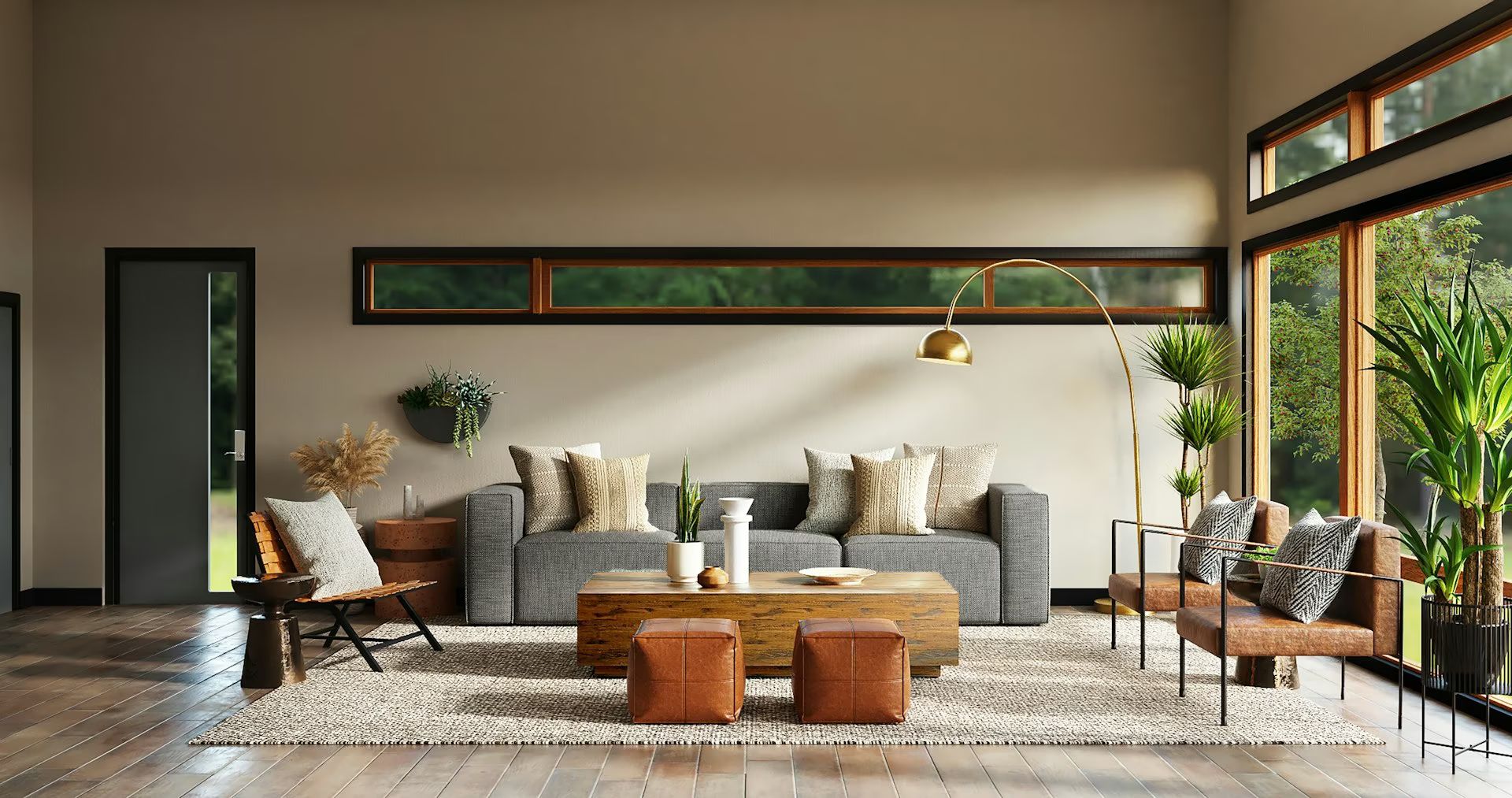
Property Marketing Agency London for Agents and Landlords
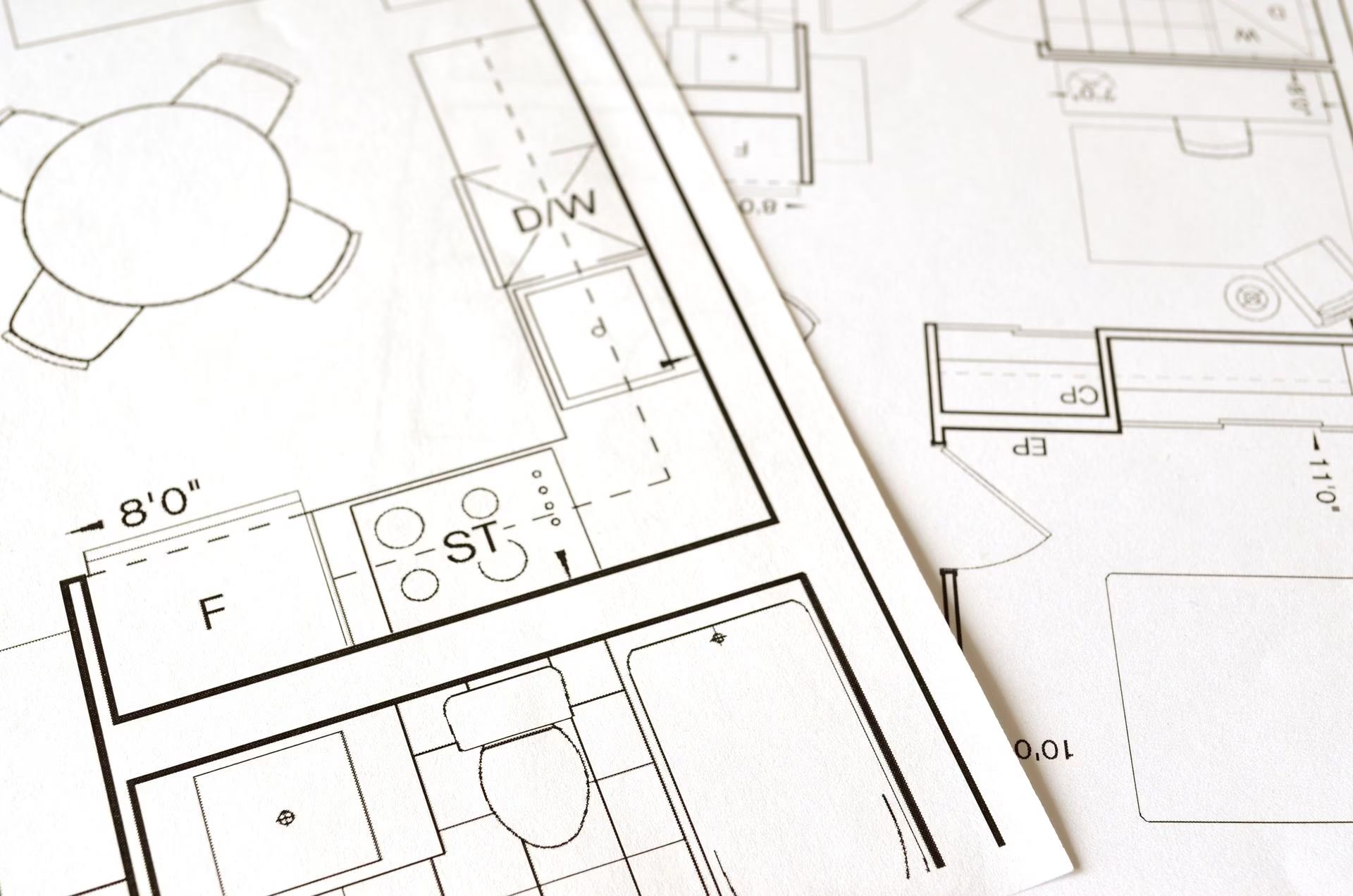
Floor Plans London: 2D and 3D Property Plans for Better Listings
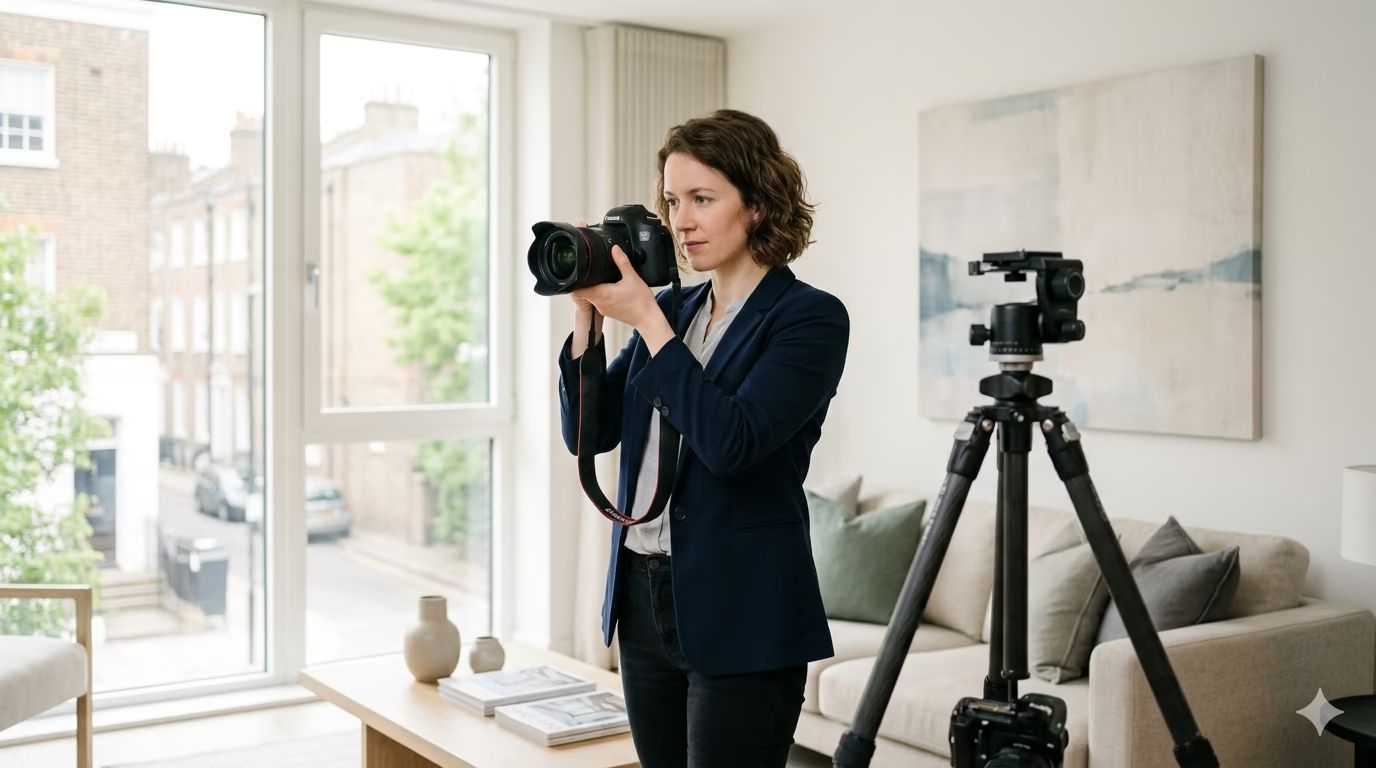
Property Photography London Cost Process and Listing Tips

Landlord Certificates London: EPC, Gas Safety, EICR and Rental Compliance Guide
Frequently asked questions
A 3D virtual house tour is an interactive online walkthrough that allows viewers to explore a property digitally. It helps users understand room flow, layout and general presentation before arranging a physical viewing.
It can be useful for rental properties where tenants are comparing options remotely, relocating to London or trying to understand the layout before viewing. The value depends on property type, audience and listing strategy.
No. Professional photography is still important for listing thumbnails, portal images, brochures and social media. A virtual tour adds interactive context but should work alongside strong still images.
In many cases, yes. A floor plan gives a clear layout overview, while a virtual tour shows how the space feels when moving through it. Together they help users understand the property more fully.
The property should be clean, tidy, accessible and free from visible private or sensitive items. All rooms that need to be included should be unlocked before the appointment.
Yes. Property Motion helps property professionals coordinate virtual tours, photography, floor plans and related services through one streamlined workflow.
Not always. A simple property with a straightforward layout may only need photography and a floor plan. Virtual tours are most useful when layout, remote viewing or premium presentation matters.
Agents should check that the tour works on desktop and mobile, that the link is easy to access, that the property is represented accurately and that no private or sensitive items are visible.
Need a 3D virtual tour for your next property listing?
Property Motion helps agents, landlords and property professionals coordinate virtual tours, photography, floor plans and compliance services through one streamlined workflow.